Click here to visit Bubbletubing.com
  Aeration
  Deicing
  Floating Fountains
  Bioaugmentation
  Aquatic Tools
  Bubble Curtains
 Bubble Curtains
Also known as Bubble Barriers
Bubble curtains, powered by Bubble Tubing®, create rising walls of air bubbles that protect marine life, reduce underwater noise, and control debris, algae, and jellyfish. This versatile technology is used worldwide to support environmentally responsible marine and freshwater projects.
How Bubble Curtains Work
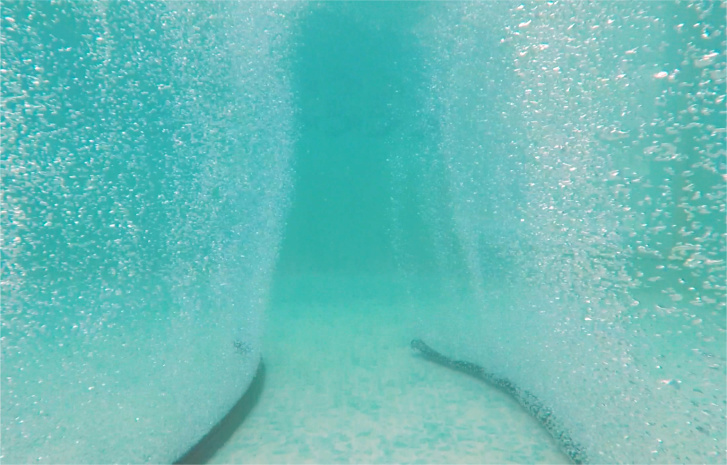
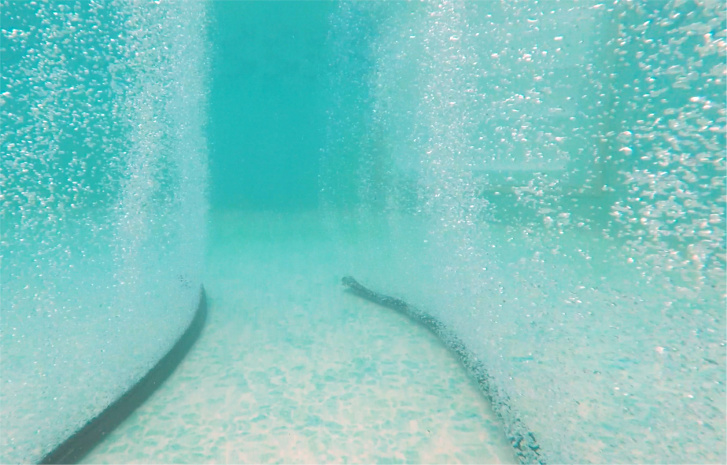
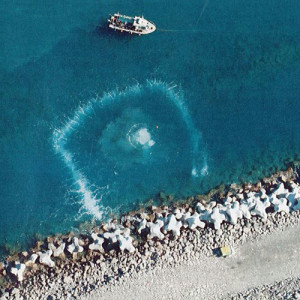
Bubble curtains are created by releasing compressed air through Bubble Tubing® installed along the bottom of a waterbody. As the air escapes through the tubing perforations, thousands of fine bubbles rise continuously to the surface, forming a dynamic wall of air.
This rising curtain of bubbles acts as a flexible barrier within the water column. The motion of the bubbles produces upward currents, which can deflect or contain materials, dissipate sound waves, and influence the movement of suspended debris.
Applications of Bubble Curtains
- Noise attenuation and shockwave mitigation
- Marine mammal protection
- Oil spill containment
- Sediment and turbidity control
- Fish guidance and exclusion systems
- Floating debris and algae control
- Harmful algal bloom mitigation
- Jellyfish control
- Water current and sediment flow management
For large projects, multiple layers of Bubble Tubing® (double or triple curtains) can be installed in parallel to maximize performance.
Underwater Sound Attenuation
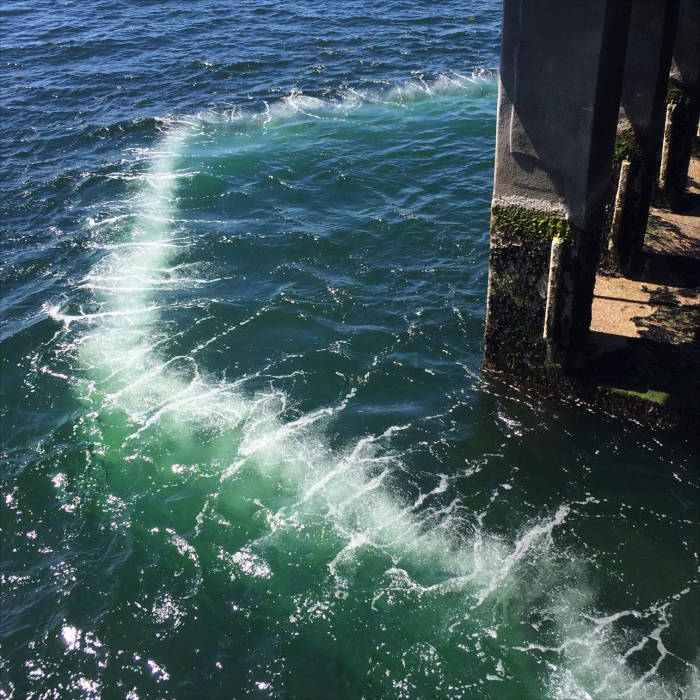
Bubble curtains act as sound attenuation systems, reducing the impact of underwater noise from pile driving, blasting, drilling, and seismic exploration.
Marine mammals such as whales and dolphins rely on sound for navigation and communication. High-intensity industrial noise can disorient or even harm them. Surrounding operations with bubble curtains reduce the intensity and reach of sound waves, offering an effective, non-invasive mitigation strategy.
Common noise sources include:
- Pile driving
- Seismic surveys and drilling
- Underwater blasting and de-mining
- Ship engines and port construction
Bubble Curtains are recognized as a mitigation measure under the NOAA Ocean Noise Strategy Roadmap.
Oil Spill Management
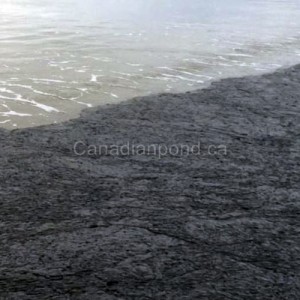
Bubble Curtains can serve as a containment tool for oil spills in calm or semi-enclosed waters, such as harbours or marinas.
The upward motion of bubbles creates surface turbulence that forms a barrier, confining floating oil within a defined area and preventing its spread while recovery efforts are underway.
Fish Guidance and Exclusion Systems
Bubble Curtains can guide, deter, or protect fish by creating a visual and acoustic screen.
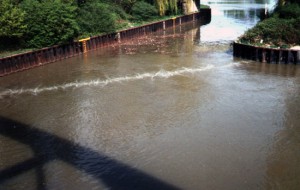
Our Bubble Tubing® is integrated into fish guidance systems worldwide, helping redirect species away from turbines, intakes, or contaminated zones and toward safer migration paths.
Additional stimuli such as light or low-frequency sound can be combined with Bubble Curtains to enhance effectiveness.
See how our Air Bubble Curtains can control the movement of debris, sediments, etc. on our YouTube channel.
Sediment and Silt Control
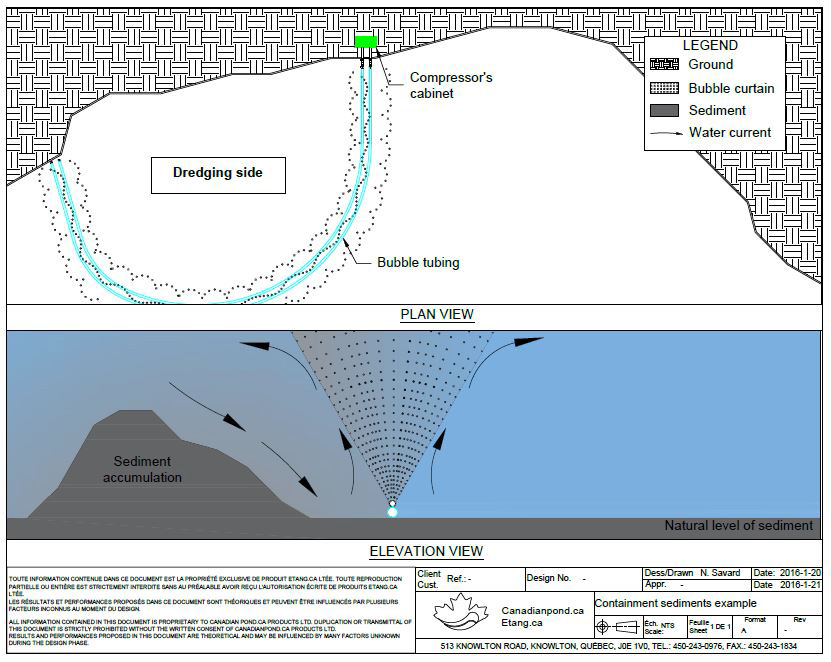
For dredging, marine construction, or in-situ sediment management, Bubble Curtains help contain silt and suspended particles while allowing vessels to pass freely over the barrier.
They act as dynamic turbidity curtains, reducing sediment dispersion during underwater work, and minimizing ecological disturbances.
Ongoing research also explores how Bubble Curtains influence stream flow and sediment deposition, offering potential applications in erosion control and riverbed management.
Control of Toxic Algae and Jellyfish
Harmful Algae Bloom (HABS) Mitigation
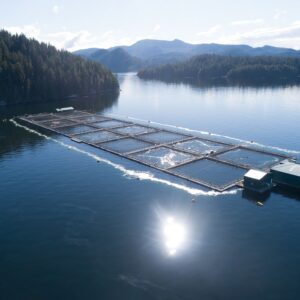
Bubble curtains can limit the spread of harmful algae blooms by creating upward water circulation that disrupts stagnant zones and increases oxygenation. This helps contain or redirect algae, protecting harbours, aquaculture facilities, and beaches.
Jellyfish Control
Bubble Curtain systems have been successfully used to prevent jellyfish from entering water intakes and coastal swimming zones. By producing vertical flow and a physical bubble barrier, Bubble Tubing® effectively deters jellyfish while maintaining water movement.
Control of Plastic and Floating Debris
Bubble Curtains can be used to contain or redirect floating debris such as seaweed, plastics, and algae before they reach shorelines or sensitive areas.
By creating gentle water movement, they help guide unwanted material away or toward collection zones for efficient removal, reducing cleanup cost and improving coastal aesthetics.
Who Uses Bubble Curtains?
 Our clients and partners include:
- Port authorities and environmental agencies
- Offshore wind and marine construction companies
- Acoustic reduction and environmental engineering firms
- Oil platform and ship operators
- Hydroelectric dam managers
- Habitat conservation specialists
- Municipalities and tourism operators
- Waste and debris recovery organizations
Partner with Us
We work closely with engineers, scientists, and water managers to develop Bubble Curtain solutions that protect marine environments while allowing projects to move forward responsibly.
Learn more about our innovative Bubble Tubing® systems and see how Bubble Curtains can support your project goals.
Applications
Multiple applications of bubble curtains